What Is Sicilian Street Food? From Palermo Street Food to Sicily's Famous Fried Specialities
Sicily has one of Italy's most distinctive street food traditions, particularly in Palermo, where markets, bakeries and small food shops have served local specialities for generations. Fried rice, chickpea fritters, potato croquettes and thick Sicilian pizza all form part of this culture.
Many of these foods are closely connected with particular cities rather than representing Sicily as a whole. Palermo is strongly associated with arancine, panelle, crocchè and sfincione, while other parts of the island have developed their own specialities. Looking at these regional differences reveals how Sicily's history, local ingredients and urban markets have shaped a street food culture recognised well beyond the island.
What Is Sicilian Street Food and What Makes It Distinctive?
What Is Sicilian Street Food can be explained as a collection of regional foods traditionally sold through markets, bakeries, street vendors and small specialised shops. Many are prepared in individual portions and rely on techniques such as frying, baking or filling bread and dough.
What makes the tradition particularly interesting is its regional identity. Palermo's street food is different from that of Catania and other Sicilian cities. Rice, chickpea flour, potatoes, breadcrumbs, vegetables and local cheeses appear frequently, while individual preparations reveal influences accumulated over centuries. Street food in Sicily is therefore closely connected with the history and food traditions of individual communities.
Sicily was governed and settled by several Mediterranean cultures over many centuries, and each period introduced ingredients and cooking traditions that gradually became part of local food. Between the ninth and eleventh centuries, people arriving from North Africa and the wider Arab world brought greater use of ingredients such as rice, saffron, sugar, citrus fruits and chickpeas.
Some of these ingredients later became central to foods now associated with Palermo. Chickpea flour became the basis of panelle, while rice and saffron became closely connected with the development of arancine. Palermo's historic markets then helped turn these inexpensive, filling foods into everyday street specialities sold by vendors and fry shops.
For people asking What Is Sicilian Street Food, these historical connections help explain why some familiar Sicilian foods combine ingredients and techniques that reflect the island's wider Mediterranean past.
Palermo's Historic Markets and the Culture of Eating in the Street
Palermo's street food remains closely connected with its historic markets. Ballarò is among the best known, with a history stretching back centuries and stalls selling produce alongside prepared foods. Nowadays, visitors can still find foods such aspanelle, crocchè, sfincione and arancine around the city's markets and surrounding streets.
These markets are important because they place street food within its original commercial setting. Food is prepared for people moving through the city rather than exclusively for restaurant service. Small portions, fried foods and bakery products suit this environment particularly well. This relationship between markets, vendors and local recipes remains central to Palermo's culinary identity.
Traditional Sicilian Street Foods and Their Regional Origins
What Is Sicilian Street Food cannot be defined by one dish or cooking tradition because food varies considerably across Sicily. Palermo is particularly known for arancine, panelle, crocchè and sfincione. Catania has its own traditions, including cartocciata and distinctive versions of filled rice specialities. These regional differences are an important part of Sicilian food culture, not minor variations of the same dishes.
Arancine: Sicily's Famous Fried Rice Speciality
Arancine are among Sicily's most recognisable foods. Rice is shaped around a filling, coated in breadcrumbs and fried until the exterior becomes golden and crisp. Ragù with peas is a classic filling, while other established versions include ham and cheese.
The shape can also vary. In Palermo, arancine are commonly round, while eastern versions are often associated with a pointed form. The contrast between the crisp breadcrumb coating, rice and concentrated filling explains why Arancini have become widely recognised outside Italy, even though terminology differs across the island.
Panelle and Crocchè: Two Staples of Palermo Street Food
Panelle are thin fritters made from chickpea flour. The mixture is cooked until thick, allowed to set, cut into pieces and fried. In Palermo, they are traditionally served inside bread, often with lemon. Their association with Arab influence makes them an especially interesting example of the city's culinary history.
Crocchè are potato croquettes, generally prepared with mashed potato and herbs before frying. The two are frequently served together and are strongly associated with Palermo's fried street food tradition. Despite their ingredients, their identity comes from preparation, texture and their long connection with the city's food vendors.
Sfincione: Palermo's Distinctive Street Pizza
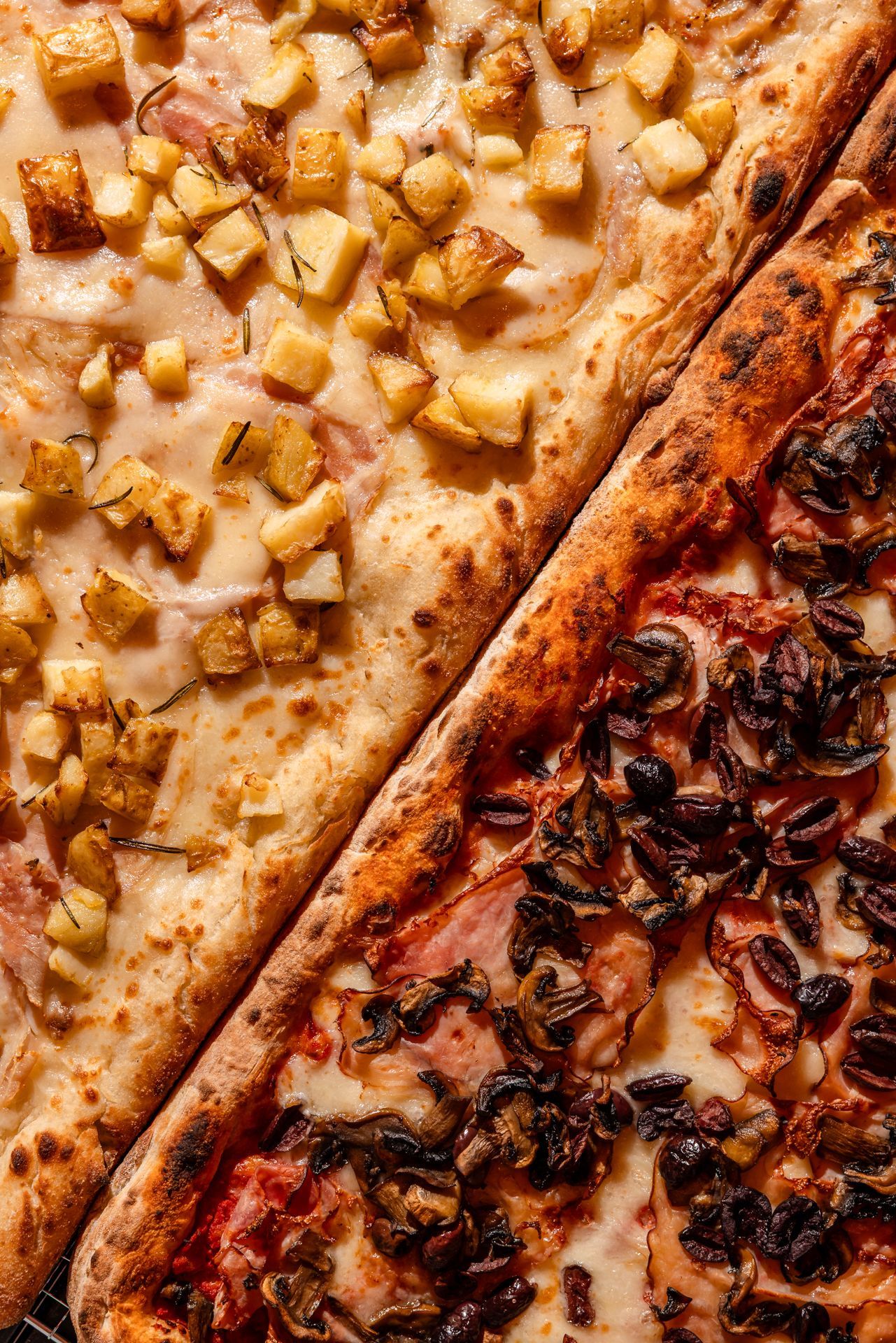
Sfincione differs considerably from the thin pizzas associated with many Italian pizzerias. It has a thicker, soft, sponge-like base, traditionally topped with ingredients that can include tomato, onion, anchovies, cheese, oregano, and breadcrumbs.
Breadcrumbs are particularly characteristic, adding texture to the surface while absorbing flavour from the toppings. Sfincione is strongly associated with Palermo and is sold by bakeries and street vendors. Its structure and toppings demonstrate that Sicily developed its own pizza traditions independently of the better-known pizza styles of mainland Italy.
How Sicilian Street Food Changes
Sicilian street food is not identical across the island. Palermo and Catania provide one of the clearest examples through their different approaches to filled fried rice. Western Sicily generally uses the feminine terms arancina and arancine, while eastern Sicily commonly uses arancino and arancini. Shapes and fillings can also vary.
Other foods are even more closely tied to particular locations. Panelle and sfincione are strongly identified with Palermo, while cartocciata is associated with Catania and the Mount Etna area.
These differences are essential when discussing What Is Sicilian Street Food, because Sicilian cuisine is highly regional even within the island itself.
Discover Sicilian Street Food at Pronto 478 in Bentleigh
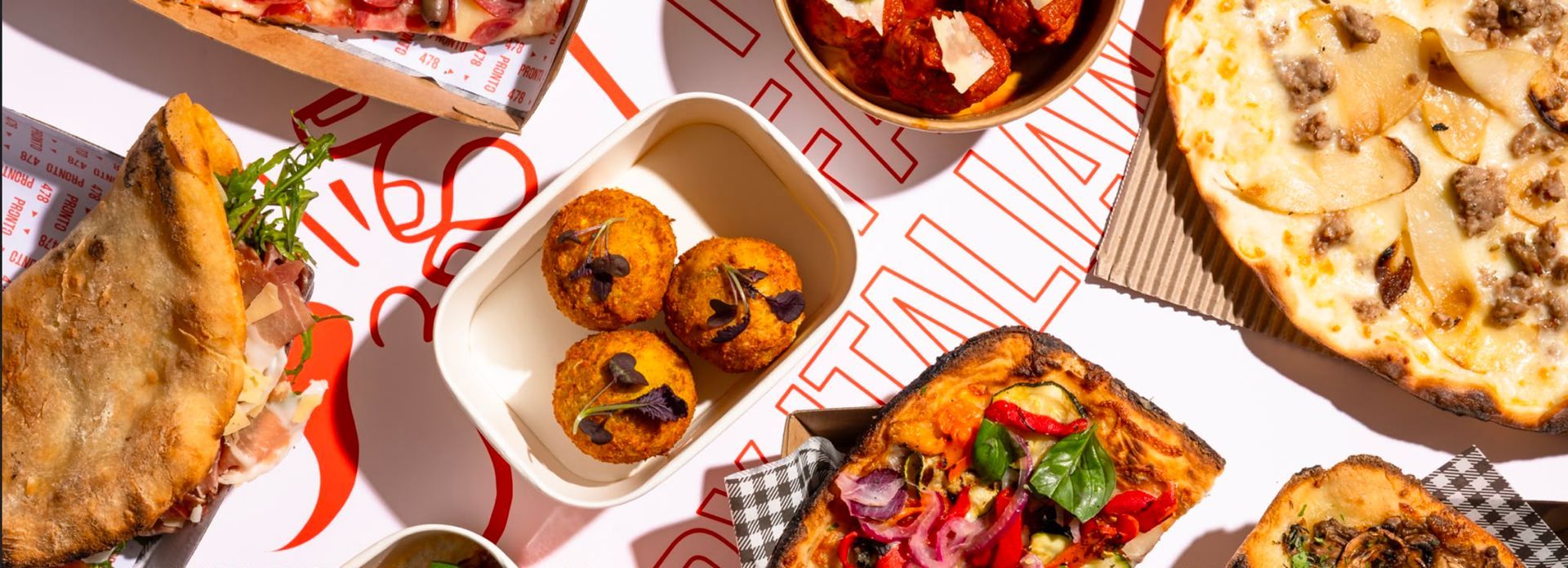
Pronto 478 brings part of this Sicilian street food tradition to Bentleigh through its golden arancini. The venue specifically identifies Sicilian street food as part of its offering, alongside pizza, fresh pasta, panini, and Roman-inspired fried specialities. Arancini are particularly well suited to this style of Italian dining because they combine several textures in one preparation: a crisp fried exterior surrounds rice and a savoury filling.
Pronto 478 also offers catering for occasions including birthdays, corporate lunches and family gatherings, with Italian street food forming part of its broader food selection.
Frequently Asked Questions
What Are the Most Famous Sicilian Street Foods?
Some of the most recognised Sicilian street foods include arancine, panelle, crocchè and sfincione. Palermo is particularly associated with these four specialities. Arancine are fried, filled rice balls; panelle are chickpea fritters; crocchè are potato croquettes; and sfincione is a thick Palermo-style pizza traditionally finished with ingredients such as tomato, onion, cheese, and breadcrumbs.
Why Is Palermo Famous for Street Food?
Palermo's reputation comes from the close relationship between food and its historic markets. Areas such as Ballarò continue to bring together fresh produce, market trading and prepared foods, maintaining a tradition in which eating is closely connected with daily activity in the city. The range is another important factor. Palermo has distinctive fried foods such as panelle and crocchè.
What Is the Difference Between Arancini and Arancine?
In Palermo and much of western Sicily, the feminine singular arancina and plural arancine are traditionally used. In Catania and eastern Sicily, the masculine arancino and plural arancini are more common. Besides, there can also be differences in appearance. Palermo versions are commonly round, recalling the shape of an orange, while eastern versions are often associated with a more pointed shape.
Conclusion
Sicilian street food provides a direct introduction to the island's regional history and cooking traditions. Their importance also extends beyond individual recipes. Historic markets, cultural influences and differences between western and eastern Sicily have all contributed to the street food traditions found across the island today.
For a taste of Italian street food in Melbourne, visit Pronto 478 at 478 Centre Road, Bentleigh, and explore its selection of Sicilian favourites, pizza, pasta, panini and other Italian specialities.