Roman Street Food: Best Street Food in Rome From Pizza by the Slice to Supplì
Rome is known for pasta dishes such as carbonara, amatriciana and cacio e pepe, but some of its most characteristic foods are found outside the traditional trattoria setting. Bakeries, pizza shops, markets and small food counters have long been part of the city’s everyday eating culture.
Roman street food reflects this less formal side of Roman cooking. Pizza sold in portions, fried rice ball snacks, filled breads and other savoury foods offer a different view of the city’s cuisine. Some have long histories, while others are more recent additions, showing that Rome’s street food continues to develop alongside its established traditions.
What Is Roman Street Food?
The term covers foods commonly associated with quick, everyday eating in Rome. Many are sold in bakeries, pizzerie, markets and friggitorie, shops specialising in fried foods. Rather than representing one type of cooking, the category includes baked, fried and filled dishes.
What makes Roman street food particularly interesting is its connection with the city itself. Local ingredients and familiar Roman flavours appear in foods you can buy individually and eat without ordering several courses. Pizza, rice, bread, vegetables and fried foods all have a place, giving the city a varied street food culture rather than one signature snack.
What Are the Most Popular Roman Street Foods?
Several foods are closely connected with eating around Rome, although they differ considerably in preparation and ingredients. Pizza sold by the cut - al taglio - is one of the most recognisable, while supplì provide the city’s well-known fried rice speciality. Porchetta sandwiches, fried cod and pizza bianca also appear regularly in discussions of Roman everyday food.
These dishes show the range found within Roman street food. Some began in bakeries, others are associated with fry shops or markets, and newer creations have also found a place alongside older favourites. The following examples help explain the foods visitors are most likely to encounter.
Pizza Al Taglio
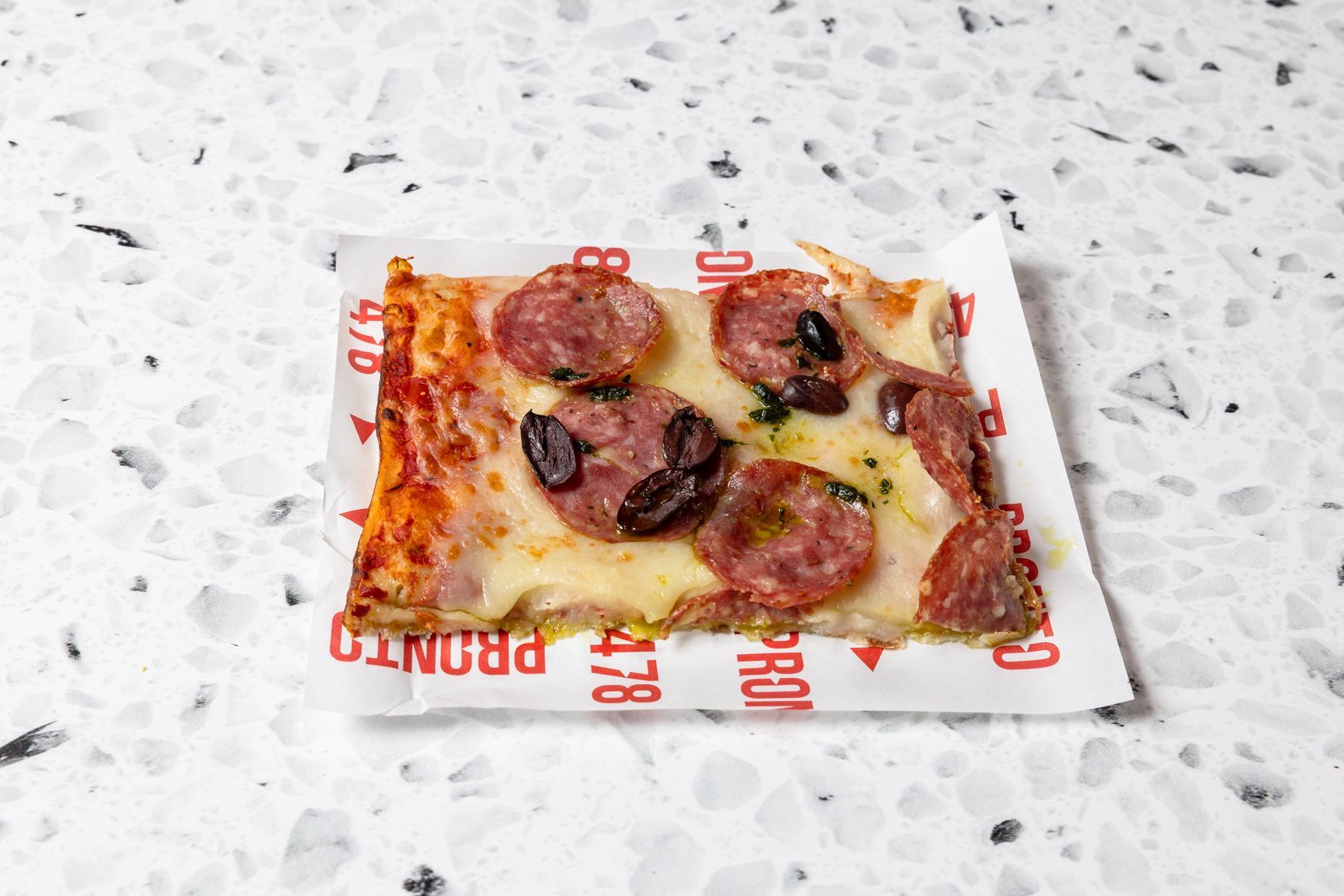
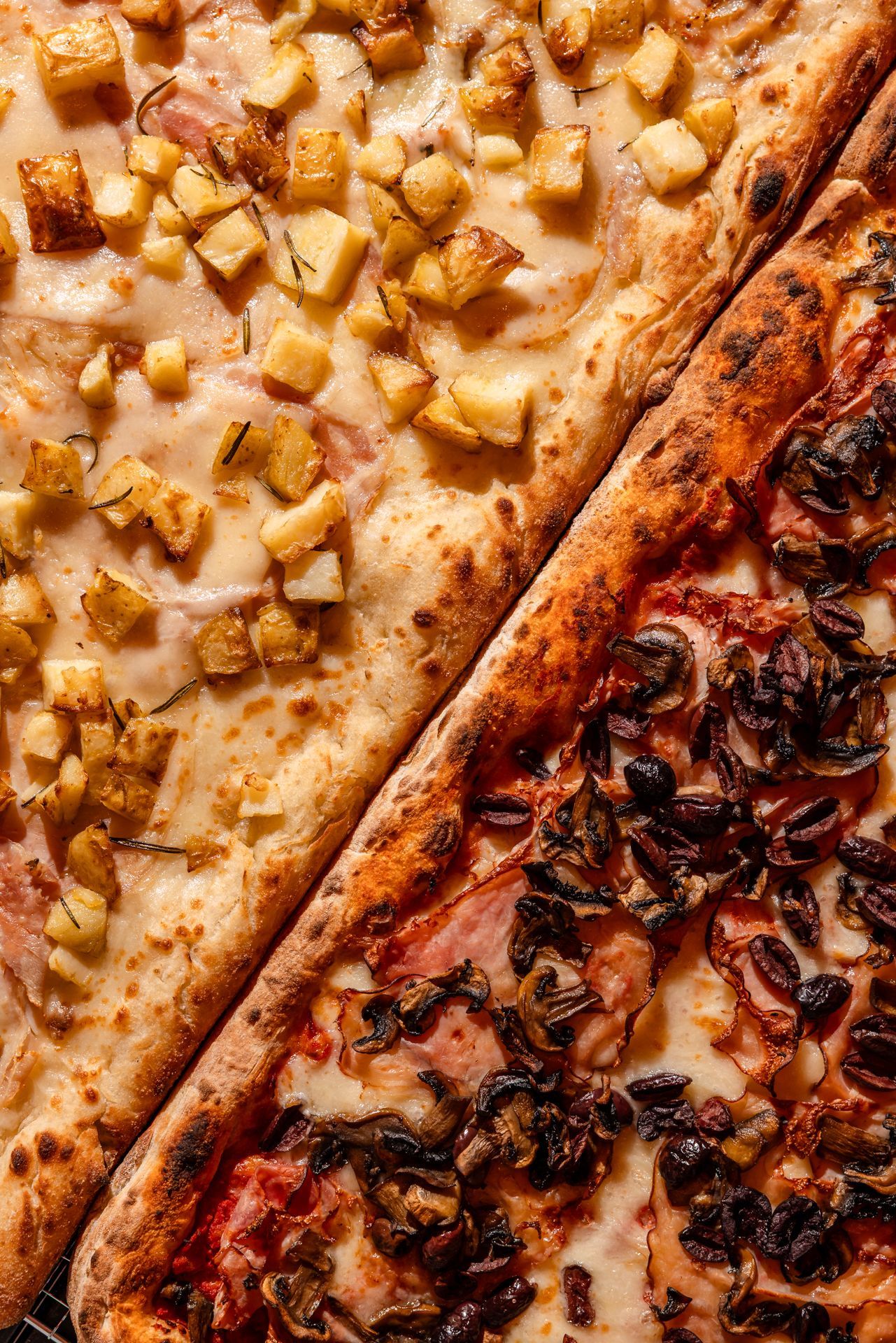
Pizza Al Taglio means pizza sold “by the cut” and is closely associated with Roman bakeries and specialist pizza shops. Large pizzas are displayed at the counter and divided into portions, allowing customers to choose the amount and varieties they want. Traditionally, portions may also be priced according to weight.
This style became firmly established in Rome during the twentieth century and remains closely connected with everyday city life. Instead of ordering a whole round pizza, customers can choose several smaller portions with different toppings. That flexibility has helped make pizza by the cut one of the most recognisable examples of Roman street food.
Supplì
Supplì are fried rice croquettes strongly associated with Rome. A classic version combines seasoned rice with mozzarella in the centre, then coats and fries the croquette. Their elongated shape also helps distinguish them from the larger rice ball specialities associated with Sicily.
One traditional name is supplì. When you pull apart a freshly cooked supplì, melted mozzarella can stretch between the two halves. Beyond the name, supplì are an important part of Roman street food because they represent a distinctly Roman way of turning rice, sauce and cheese into a compact savoury snack.
Pizza Bianca and Filled Pizza
Pizza in Rome is not limited to pizza covered with tomato and cheese. Pizza bianca is a simple baked flatbread seasoned with olive oil and salt, commonly sold by bakeries. You can eat it on its own or open it and fill it with ingredients such as mortadella.
Filled pizza also shows how Roman-style pizza can move beyond the familiar round pizza served at a table. Bread and pizza dough provide a base for different fillings, including cured meats, cheeses and cooked dishes. More recent creations such as trapizzino or sorrisi have continued this idea by combining pizza dough with fillings inspired by Roman cooking.
Roman Street Food Reflects Different Parts of the City’s Food Culture
Rome’s street foods come from different parts of the city’s food culture rather than one single tradition. Bakeries contributed breads and tray pizza, while friggitorie became associated with foods such as supplì and battered cod. Markets also provided places to buy prepared foods alongside everyday ingredients.
This helps explain why Roman street food includes such different dishes. Pizza, rice croquettes, filled breads and fried foods may share little in appearance, yet they developed around familiar Roman flavours and everyday eating. Modern additions keep appearing, so the category includes both long-established foods and newer ideas that have become popular in the city.
Explore Roman-Inspired Street Food at Pronto478
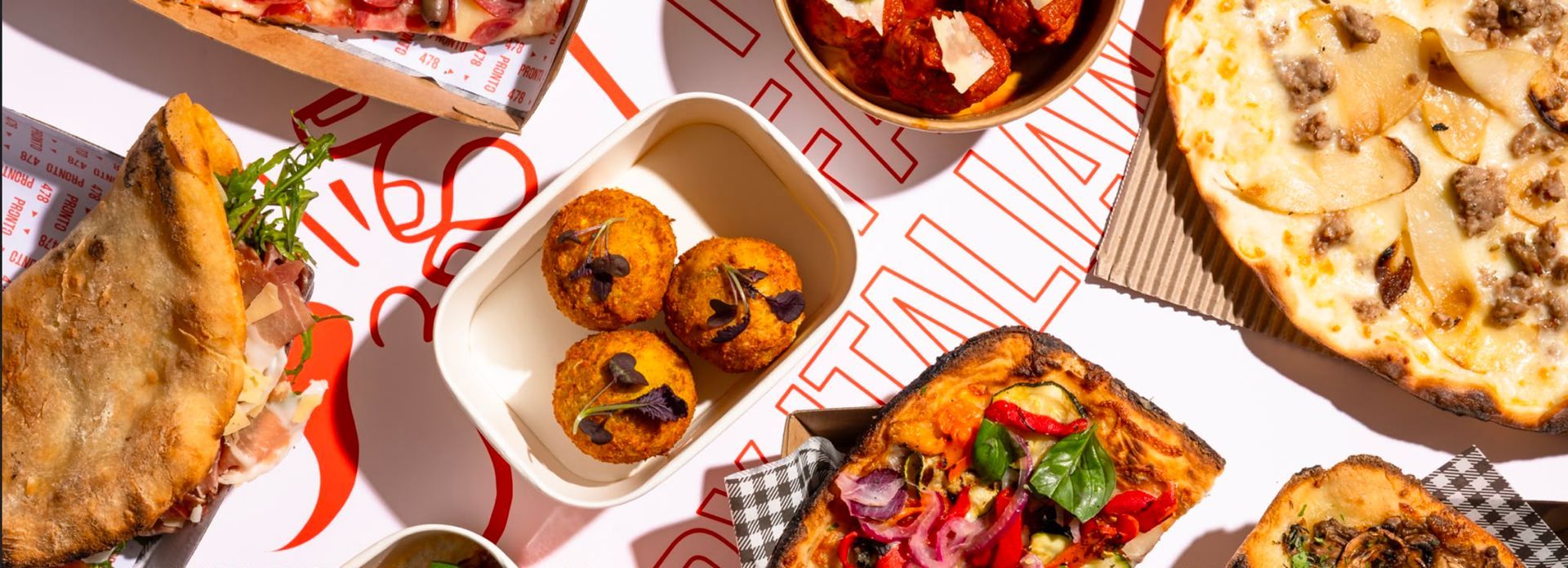
Pronto478 brings several Italian street-food-inspired dishes to its Bentleigh menu. Its current selection includes Roman-style pizza slices, thin and crunchy Pizza Romana, Sorrisi pizza sandwiches, and a rosticceria section of savoury bites.
The pizza slice menu includes Margherita, Porchetta, Mortadella, Il Bosco, Salame, Vegetariana and Prosciutto. Sorrisi also offers a pizza-dough-based option, with fillings ranging from mortadella and pistachio to porchetta and Asiago. This gives diners interested in Roman street food several ways to explore pizza beyond the standard whole round pizza.
Frequently Asked Questions
Is Roman Street Food the Same as Italian Street Food?
No. Italian street food changes significantly between regions, so foods associated with Rome represent only one part of Italy’s wider street food culture. Sicily is known for foods such as arancine and panelle, while other regions have their own local specialities. Rome has particularly strong associations with pizza sold by the cut, supplì, pizza bianca and fried foods. These dishes reflect ingredients and eating habits connected with the capital.
What Is the Difference Between Supplì and Arancini?
Both are fried rice specialities, but they come from different regional traditions. Supplì are Roman and are generally elongated, with classic versions containing seasoned rice and mozzarella. Arancine, or arancini, are Sicilian, often larger, and can include a wider variety of fillings.
The distinction matters because people sometimes group the two simply because both use rice. Their regional origins, shapes, and traditional fillings differ. Supplì belong specifically to Rome’s food culture, while the Sicilian speciality has its own history and regional variations.
Is Roman Street Food Only Pizza?
No. Pizza has an important place in Rome’s street food culture, but the selection extends well beyond it. Supplì, porchetta sandwiches, pizza bianca, fried cod and other savoury foods are also associated with eating around the city. The variety comes partly from the different businesses that have traditionally sold these foods, including bakeries, markets, pizza shops and friggitorie. As a result, someone exploring Rome through its street food can encounter baked breads, fried snacks, filled pizza, and meat-based dishes rather than simply moving between different types of pizza.
Conclusion
Roman street food offers a different perspective on the cuisine of Italy’s capital. Pizza sold in portions, supplì, filled breads and other local favourites show how Rome’s food culture extends well beyond its famous pasta dishes.
Pronto478 brings this side of Italian cooking to 478 Centre Road, Bentleigh, with Roman-inspired pizza, pizza sandwiches, and a wider selection of Italian street food available for pickup and delivery. Explore the current menu and order from Pronto478 to enjoy a taste of Italy’s street food culture at home.