What Is Arancini? Explained Through Sicily’s Famous Italian Rice Ball Speciality
Among the many foods associated with Sicily, arancini are particularly recognisable for their crisp breadcrumb coating and rich rice filling. These fried rice specialities can be round or conical, with cooked rice shaped around a savoury filling, then coated in breadcrumbs and fried until golden and crisp.
Although arancini are now found throughout Italy and internationally, their identity remains closely connected with Sicily. Regional differences influence their name, shape and filling, particularly between Palermo in western Sicily and Catania in the east. Their history also reflects the influence of rice and saffron on Sicilian cooking, making arancini an interesting example of how a regional food can develop over centuries.
What Is Arancini and What Defines This Sicilian Speciality?
What Is Arancini can be answered by looking at its basic construction. Arancini are portions of cooked rice formed around a savoury filling, coated in breadcrumbs and fried until they become crisp and golden. A classic version contains meat ragù, peas and cheese.
Their name is connected with the Italian word arancia, meaning orange, referring to the round shape and golden appearance traditionally associated with versions from Palermo. In eastern Sicily, particularly Catania, they are commonly shaped with a pointed top.
How Arancini Became Part of Sicilian Food Culture
The precise origin of arancini is difficult to establish because the modern dish developed over a long period. However, its history is commonly connected with Arab influence in Sicily. During Arab rule, rice prepared with saffron, herbs and meat became part of the island’s food culture.
Later accounts associate the addition of an exterior coating with the court, where breading is thought to have made rice preparations easier to carry during journeys and hunting expeditions.
This history adds useful context to What Is Arancini because the dish represents several stages in the development of Sicilian cooking rather than a single culinary invention.
How Arancini Are Made: From Cooked Rice to a Crisp Golden Exterior
Preparing arancini requires the rice and filling to maintain separate textures while remaining firmly enclosed during frying. The rice is cooked first, then cooled so that it becomes easier to shape. Depending on the preparation, saffron may be added to give the rice its characteristic yellow colour.
A portion of rice is shaped around the chosen filling before being sealed. Then it is coated with breadcrumbs and fried. This final stage creates the contrast that defines the finished arancino: a crisp outer shell surrounding tender rice and a concentrated savoury centre.
Traditional Arancini Fillings and How They Change the Dish
The classic filling combines ragù, peas and cheese, creating a substantial centre surrounded by rice. Caciocavallo is traditionally associated with some versions, while mozzarella, provolone and scamorza can also appear in arancini recipes. However, there is no single filling used throughout Sicily. Contemporary versions can include eggplant, spinach or pistachio, demonstrating how the format can accommodate ingredients associated with different parts of Sicilian cooking.
This variation is also relevant to Sicilian Street Food more broadly. Regional foods often retain their basic preparation while fillings and flavours change according to local ingredients and established preferences.
Arancini vs Supplì: Why These Italian Rice Specialities Are Different
Arancini and supplì are both fried rice specialities, but they come from different regional traditions. Arancini are Sicilian, while supplì are associated with Rome. Their shape and internal structure also differ.
Arancini are generally larger and may be round or conical, with the filling enclosed inside a separate layer of rice. Supplì are smaller and typically oblong. Their rice is traditionally mixed with tomato-based meat sauce and surrounds a mozzarella centre.
This comparison makes What Is Arancini easier to define. Although both dishes use rice, breadcrumbs and frying, their regional origins, shapes and approach to filling give them separate identities within Italian cooking.
Taste Sicilian Street Food at Pronto 478 in Bentleigh
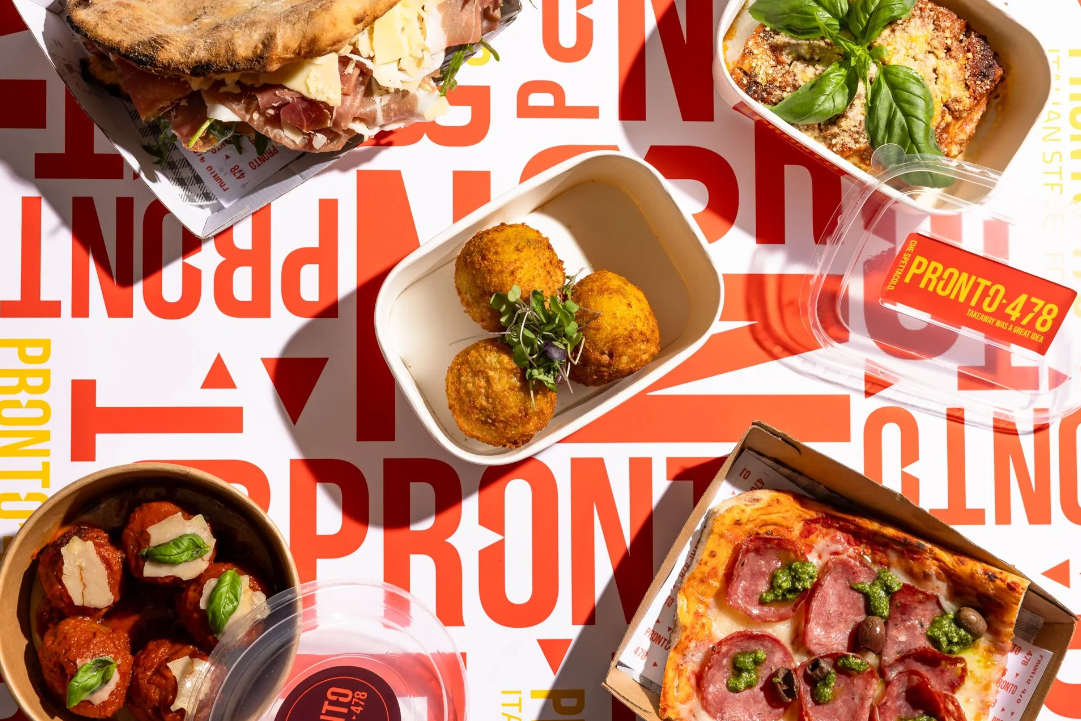
Pronto 478 brings Italian street food to Bentleigh through a selection that includes pizza, fresh pasta, panini and golden arancini. The venue specifically highlights its arancini as part of its Sicilian offering, connecting the dish with Pronto 478's broader Italian street food focus.
Arancini are particularly suited to this style of eating because the rice, filling and crisp exterior create a complete preparation in an individual portion. Moreover, Pronto 478 also offers catering for birthdays, corporate gatherings, family occasions and other events, with Italian street food available alongside handcrafted pizza, pasta and panini.
Frequently Asked Questions
Are Arancini Sicilian or Italian?
Arancini are both Sicilian and Italian, but Sicily is their specific regional origin. They are widely recognised as one of the island’s characteristic foods and are now available across Italy and internationally.
Regional identity remains important because Sicily itself has different arancini traditions. In Palermo and western Sicily, the feminine arancina is commonly used, and the rice speciality is generally round. In Catania and eastern Sicily, arancino is more common, and the pointed shape is traditionally associated with the city.
What Is Traditionally Inside Arancini?
A traditional filling commonly consists of meat ragù, peas and cheese enclosed within cooked rice. The combination creates distinct layers, with the savoury filling concentrated in the centre rather than mixed evenly throughout the rice. Other established versions demonstrate that arancini have never been limited to one filling. Cheese, vegetables and other local ingredients can be used depending on the region and preparation.
Can Arancini Be Vegetarian?
Yes. Although ragù is one of the best-known traditional fillings, arancini can also be prepared without meat. Sicilian and contemporary versions may use ingredients such as eggplant, spinach, cheese or pistachio.
The preparation method remains broadly similar. Cooked rice is shaped around the vegetarian filling before the exterior is coated and fried. However, the ingredients used in the rice, filling and coating still need to be checked when a specific dietary requirement applies.
Conclusion
Arancini are much more specific than the general description “Italian rice balls” suggests. Their Sicilian origin, rice-based structure, crisp breadcrumb exterior, and enclosed fillings give them a distinct place within regional Italian cooking.
Differences between Palermo and Catania also demonstrate how the same speciality can develop its own terminology, shape and preparation across Sicily. From classic ragù and peas to vegetable and cheese fillings, the basic structure has remained remarkably adaptable.
To experience Italian street food in Bentleigh, visit Pronto 478 and explore its golden arancini alongside pizza, fresh pasta, panini and other Italian favourites.