Roman Pizza vs Neapolitan Pizza: Differences in Dough, Crust and Cooking
Italy has developed many regional pizza traditions, each with its own approach to dough preparation, baking and serving. Among the most recognised are Roman and Neapolitan pizza, two styles that share familiar ingredients but produce noticeably different results.
The comparison of Roman Pizza vs Neapolitan Pizza goes beyond a preference for crispy or soft crust. The differences begin with how the dough is prepared and continue through fermentation, oven temperature and cooking techniques. Understanding these characteristics clarifies how regional Italian traditions shape the pizza enjoyed today.
What Is the Difference Between Roman and Neapolitan Pizza?
The main distinction in Roman Pizza vs Neapolitan Pizza is the texture and structure of the base. Traditional round Roman pizza is typically thin and crisp, while Neapolitan pizza has a soft centre surrounded by a raised, airy crust. Roman pizza also includes tray-baked varieties with a thicker, lighter interior beneath a crisp surface.
Neapolitan pizza, originating from Naples, is traditionally served whole and cooked quickly at very high temperatures. Roman pizza has a broader range of formats, including individual round pizzas and rectangular slices commonly found in Italian bakeries and takeaway shops.
How Roman and Neapolitan Pizza Dough Differ
The comparison of Roman Pizza vs Neapolitan Pizza begins with the dough recipe. Both styles traditionally use flour, water, yeast and salt, but the proportions and preparation methods can differ considerably.
Neapolitan Pizza Dough and Fermentation
Traditional Neapolitan dough is made without added oil, relying on flour, water, yeast and salt to develop its characteristic structure. During fermentation, yeast produces gas that helps the dough rise and creates air pockets within the crust. The dough is stretched by hand, preserving much of the gas around its outer edge. This technique helps produce the distinctive raised rim, known as the cornicione. When baked, the centre remains relatively thin and flexible, while the outer crust expands. The result is a soft pizza with a light, chewy texture rather than a firm, crunchy base.
Roman Pizza Dough and Its Different Preparations
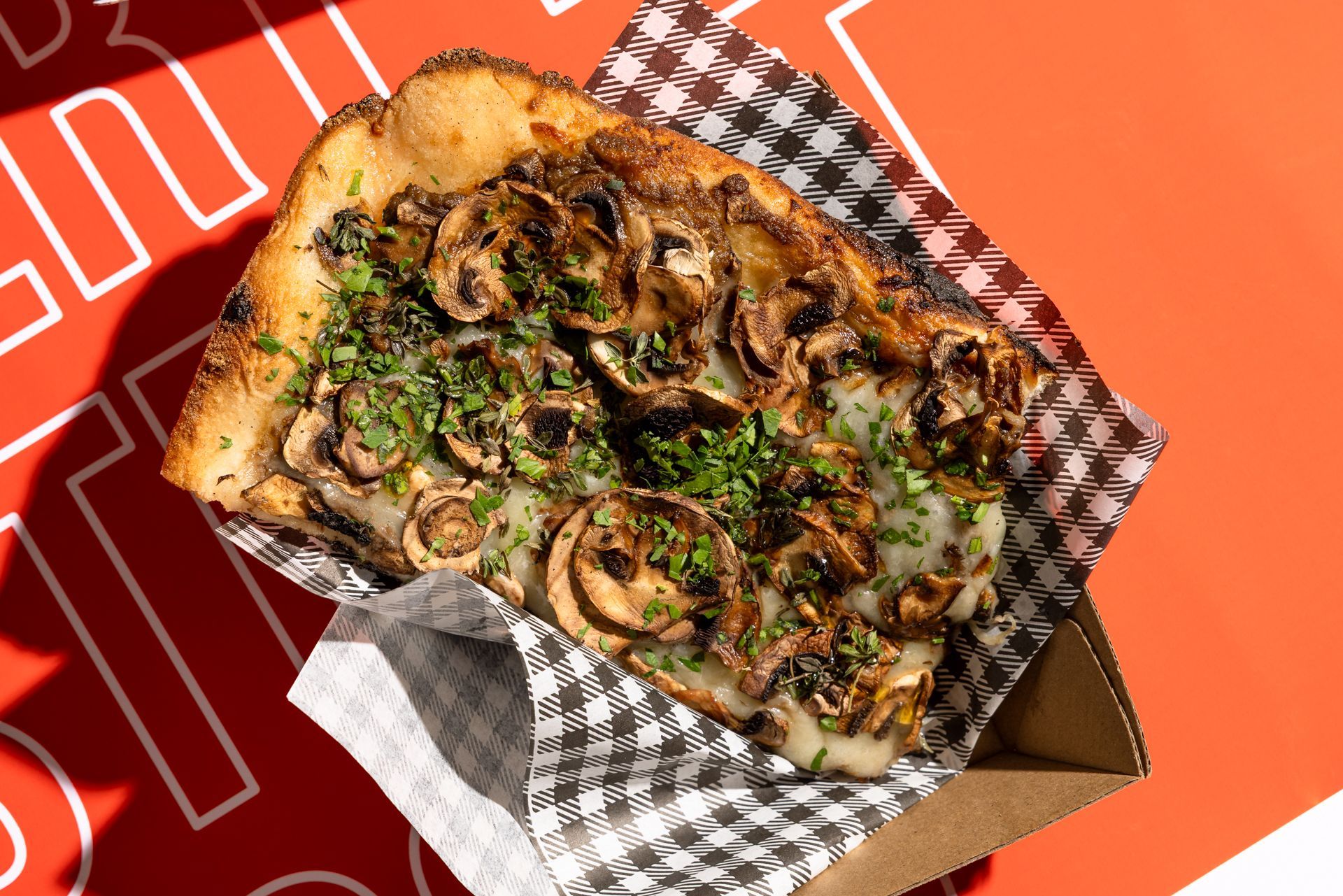
Roman pizza dough varies according to the style being prepared. Traditional round Roman pizza often contains olive oil and is stretched or rolled thin to achieve a crisp texture after baking. Tray-baked Roman pizza follows a different approach. Its dough commonly contains a higher proportion of water, which contributes to an open, airy interior during fermentation and baking. The dough is carefully extended across a rectangular tray, preserving the air developed during fermentation. This creates a base that stays light inside while developing a crisp underside, showing the variety within Roman pizza traditions.
Roman Pizza vs Neapolitan Pizza: Crust and Texture
Crust texture is one of the easiest ways to tell these Italian pizza styles apart. Traditional Roman Style Pizza, particularly the round variety, is recognised for its thin base and firm, crunchy bite. Neapolitan pizza has a more flexible centre and a puffed outer crust that remains soft after cooking. However, Roman tray-baked pizza should not be confused with the thin round version. Its thicker structure creates a contrast between a crisp bottom and an airy interior. These differences affect how each pizza holds toppings, how it feels to eat, and the overall experience.
How Baking Methods Influence Italian Pizza
Cooking temperature is another important difference in Roman Pizza vs Neapolitan Pizza. Traditional Neapolitan pizza is baked at approximately 430°C to 485°C, often for around 60 to 90 seconds. The intense heat rapidly cooks the dough and creates characteristic dark spots along the raised crust. Roman round pizza generally cooks at lower temperatures for longer, allowing more moisture to evaporate and producing a crisp finish. Tray-baked Roman varieties are commonly prepared in electric deck ovens. The metal tray transfers heat to the underside, helping develop the firm base associated with this style.
Pizza al Taglio and the Roman Street Food Tradition
One distinctive feature of Roman pizza culture is Pizza al Taglio, meaning pizza sold by the cut. This style is commonly prepared in rectangular trays and divided into portions for customers. Unlike Neapolitan pizza, traditionally served as an individual round pizza, this format lets customers buy smaller servings. Toppings may include tomato, mozzarella, roasted vegetables, potatoes or cured meats. The rectangular format also makes it practical to prepare different varieties. When comparing Roman pizza and Neapolitan Pizza, serving style is another important distinction, particularly in Italy's takeaway food culture.
Experience Authentic Roman Pizza at Pronto478
Pronto478 brings Roman pizza traditions to Bentleigh through its Italian street food menu, featuring thin and crunchy 13-inch Pizza Romana and Roman pizza slices. Its round pizza selection includes Margherita with tomato, mozzarella, and basil; Parmigiana with eggplant and Parmesan; and Il Bosco with mushrooms, truffle paste, Asiago cheese, and truffle oil.
Customers can also explore Roman pizza slices featuring combinations such as porchetta with roasted potatoes and Mortadella with pistachio pesto. For anyone interested in tasting the differences discussed in Roman Pizza vs Neapolitan Pizza, Pronto478 offers an opportunity to experience the distinctive character of Roman pizza. Explore the Pronto478 menu and order online for takeaway.
Frequently Asked Questions
Is Roman Pizza Thinner Than Neapolitan Pizza?
Traditional round Roman pizza generally has a thinner, crispier base than Neapolitan pizza. However, Roman tray-baked varieties can be thicker, with an airy interior and crisp underside. The thickness depends on the particular Roman style rather than the city of origin alone.
Is Roman Pizza Cooked in a Wood-Fired Oven?
Roman pizza can be cooked in different types of ovens, including electric, gas, and wood-fired ovens. Tray-baked varieties are commonly prepared in electric deck ovens, while traditional Neapolitan pizza is strongly associated with extremely hot wood-fired ovens.
Which Pizza Style Is Better for Takeaway?
Roman pizza, particularly tray-baked varieties, suits takeaway well because its firmer base supports toppings during handling. Neapolitan pizza is best enjoyed shortly after baking, as its soft centre can lose structure during transport. Both can be enjoyed as takeaway when packaged appropriately.
Conclusion
The differences between Roman Pizza vs Neapolitan Pizza reflect two important regional traditions in Italian cooking. Neapolitan pizza is recognised for its soft centre, raised crust, and rapid baking, while Roman pizza offers distinctive variations ranging from thin, crunchy rounds to airy, tray-baked slices.
Understanding these differences helps pizza lovers recognise how preparation methods influence texture and flavour. For those interested in traditional Roman pizza, Pronto478 offers a selection of Roman style pizzas and Italian street food in Bentleigh. Visit Pronto478 to discover the menu and order your next Italian favourite.